Last updated November 20, 2026
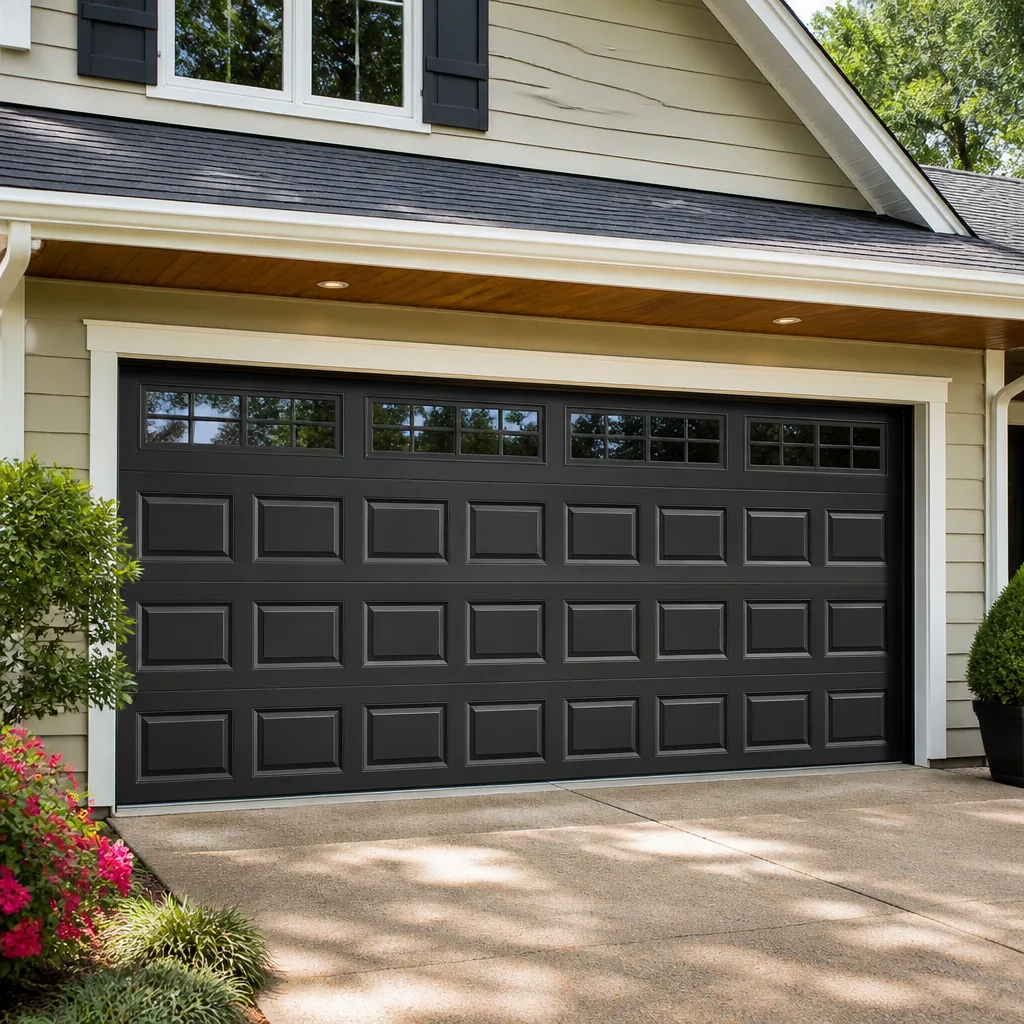 Raised-panel steel
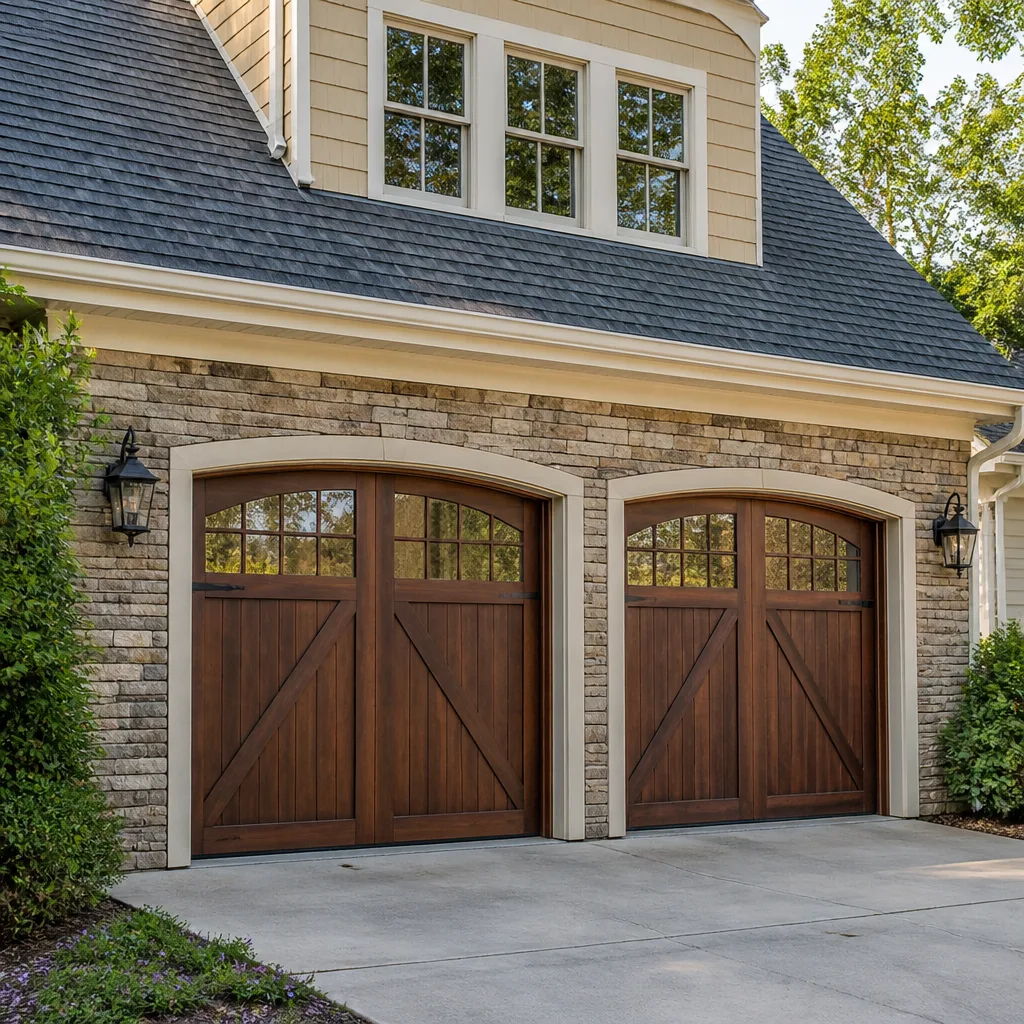 Carriage house
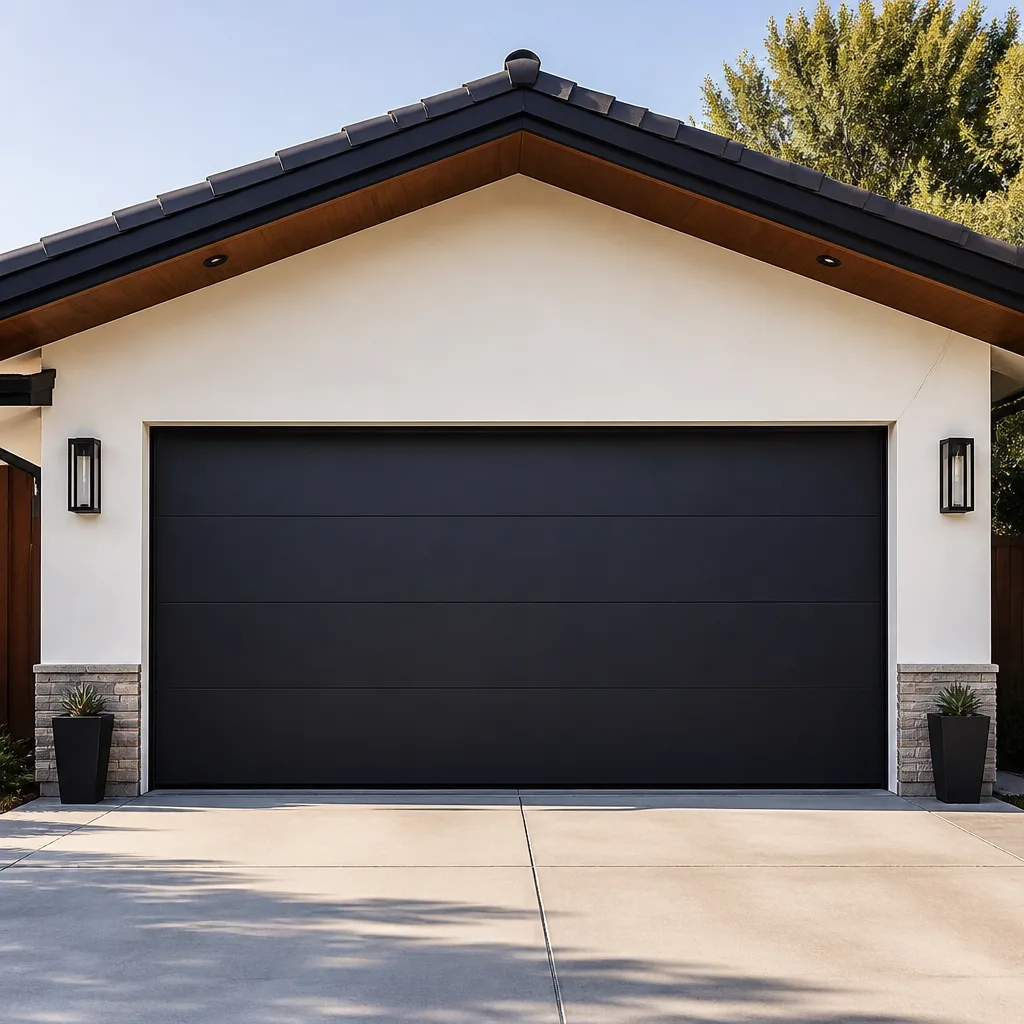 Modern flush
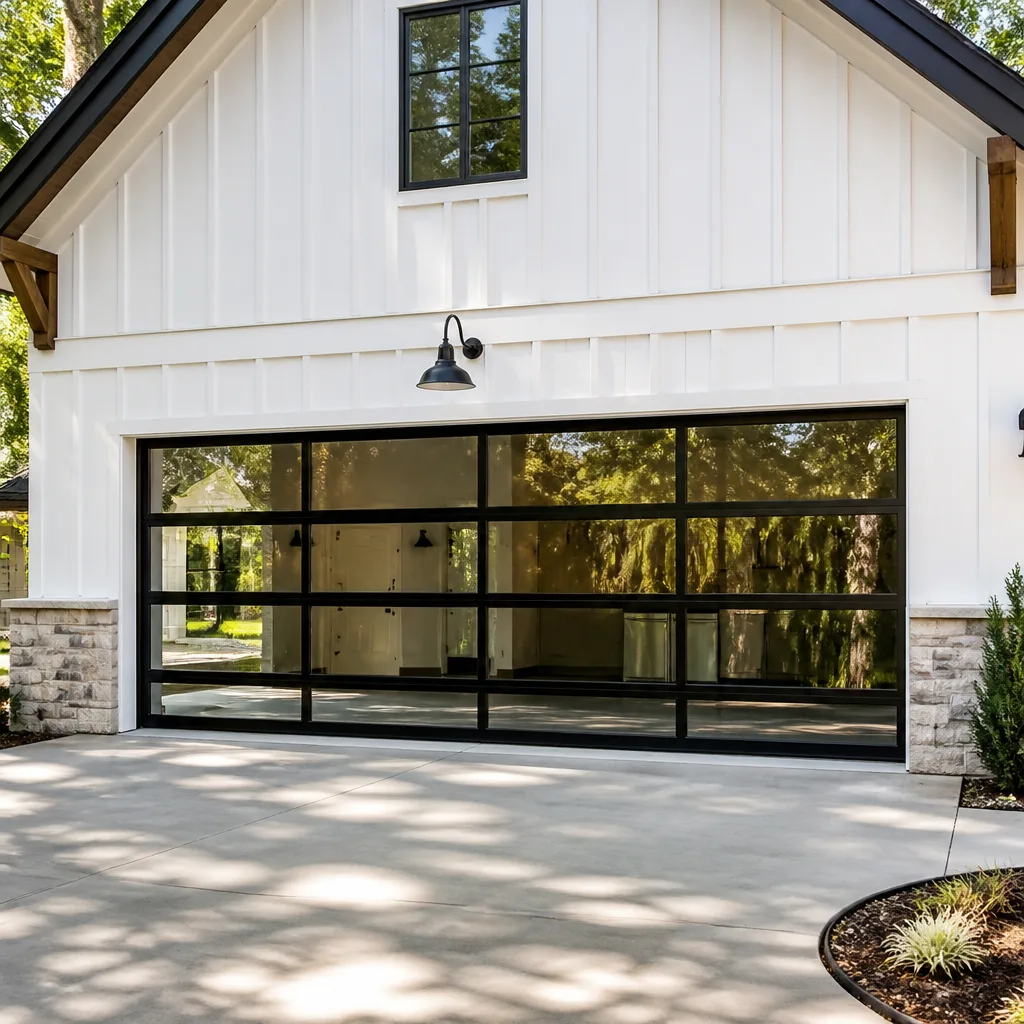 Full-view glass
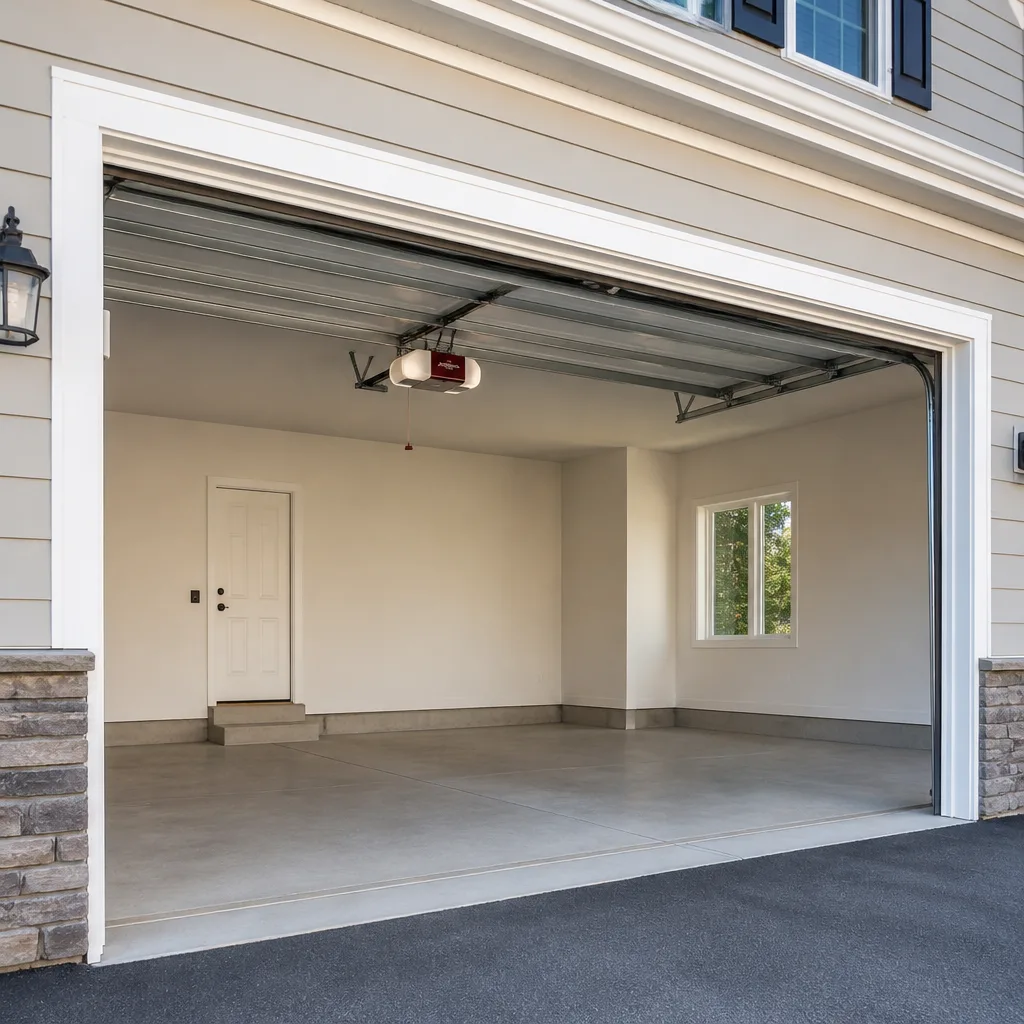 LiftMaster openers
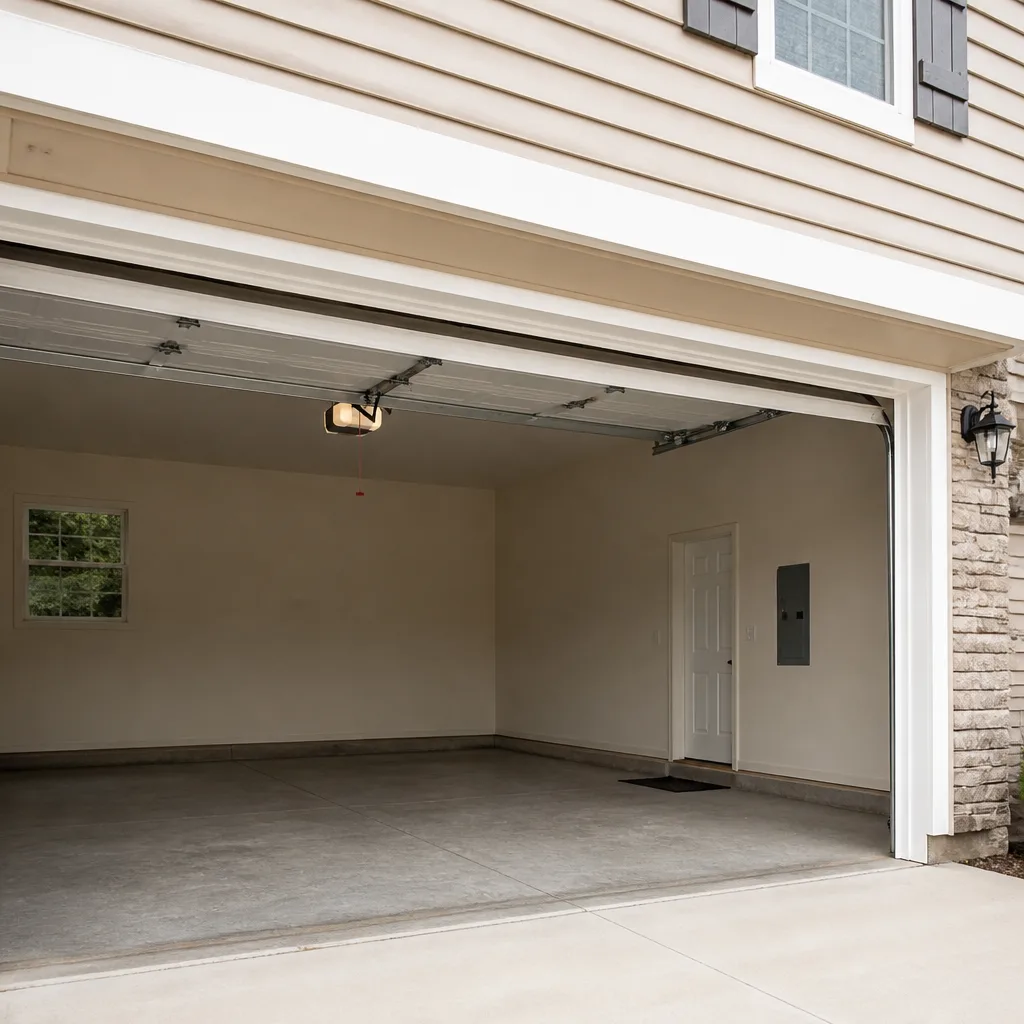 Chamberlain openers
Full 25-point door and opener safety check with every visit - springs, cables, rollers, tracks, and your LiftMaster or Chamberlain opener included
You get a price before we start. It does not change when the pro arrives.
Get your free estimateGarage Door Repair Maintenance Checklist for Sharpstown Homeowners
Most garage door problems don’t start on the day the door stops working. They start months earlier, quietly, with a roller that’s worn flat or a spring that’s lost a little tension. The common misconception we hear in Sharpstown is that a garage door is either working or it isn’t, so there’s nothing to check until it breaks. That’s not how these systems fail. Every garage door is a balance of springs, cables, rollers, and tracks under constant load, and it gives you warning signs long before it quits. This guide walks you through what to check, how often, what those sounds and symptoms actually mean, and when a call to a technician is the smart move. You’ll finish knowing your door better than most homeowners ever do.
Quick Answer
A garage door maintenance checklist for Sharpstown homeowners should cover four things monthly (visual inspection of springs, cables, rollers, and tracks), a full lubrication every six months, a balance and safety-reverse test twice a year, and an annual professional tune-up. Most failures we diagnose trace back to skipped lubrication or a worn roller that was never replaced. Catching those early is the difference between a small repair and a snapped spring.
Table of Contents
- Why Garage Door Maintenance Matters in Sharpstown
- Your Monthly Visual Checklist
- Lubrication: The Six-Month Routine
- How to Test Door Balance and Safety Reverse
- Springs and Cables: What to Look For (and What Not to Touch)
- Opener Maintenance by Brand
- A Seasonal Calendar for Sharpstown’s Climate
- What a Professional Tune-Up Actually Includes
Why Garage Door Maintenance Matters in Sharpstown
A garage door is the largest moving object in most homes, and it cycles more often than any other piece of equipment you own. Two to four open-and-close cycles a day adds up to well over a thousand cycles a year. Every one of those cycles puts wear on the springs, rollers, hinges, and opener. In Sharpstown, where many homes were built in the mid-twentieth century and still run original or second-generation hardware, that wear shows up faster than it does on newer construction.
What makes maintenance genuinely worthwhile is the cost math. A worn roller costs a fraction of what a snapped spring costs, and a flat roller is often the reason a spring fails early, because a door that drags puts extra load on the torsion system. The same pattern repeats across components: a loose hinge vibrates a panel, a misaligned track stresses a cable, a dry opener gear wears down faster than it should. Maintenance interrupts that chain.
Sharpstown’s climate helps here. Our winters are mild, so we don’t see the cold-weather contraction that cracks springs in colder parts of the country. But mild winters also mean heat and humidity dominate the year, and humidity is hard on steel hardware and wooden door panels. Lubrication schedules that might stretch in a dry climate are worth keeping tighter here. And because Sharpstown’s housing stock is older, more doors are running on hardware that’s already well into its service life, which makes inspection more valuable, not less.
There’s also the safety side. A garage door that reverses properly protects children and pets. A door with a frayed cable or a weakened spring can fail suddenly under tension. Maintenance is how you keep both risks in check. For a broader look at what professional repair covers, see garage door repair Sharpstown.
Your Monthly Visual Checklist
This takes about five minutes and requires no tools beyond your eyes and ears. Do it with the door closed first, then again with it open. Look, listen, and note anything that’s changed since last month.
- Look at the springs. Torsion springs sit on a bar above the door; extension springs run along the sides. Check for visible gaps in the coil, rust, or a spring that looks stretched compared to the others. A gap in a torsion spring means it has broken.
- Check the cables. They should be taut and neatly wound on their drums. Look for fraying, kinks, or slack. A loose cable is a warning sign, not something to ignore.
- Inspect the rollers. Steel rollers should spin freely. Nylon rollers should be smooth with no flat spots. If a roller wobbles or won’t turn, it’s dragging the door.
- Run your hand along the tracks. They should be straight and free of dents. Look for debris, built-up grease, or anything that could catch a roller.
- Check the hinges and brackets. Look for loose screws, rust, or cracks. Tighten nothing under spring tension, but note anything loose.
- Listen. Open and close the door and pay attention. Grinding, squealing, popping, or a door that shudders on the way down all point to specific problems.
- Test the safety reverse. Put a roll of paper towels under the door and close it. The door should reverse on contact. If it doesn’t, stop using the opener until it’s fixed.
Keep a simple log. If you note “slight squeal on the left side” in March and it’s louder in June, you’ve caught a problem while it’s still cheap to fix. Many Sharpstown homeowners we work with wish they’d started a log years earlier, because the pattern of wear tells you exactly which components are aging out.
Lubrication: The Six-Month Routine
Lubrication is the single highest-return maintenance task on a garage door, and it’s also the one most homeowners skip. Do it twice a year. The right lubricant matters: use a silicone-based or white lithium grease spray, not WD-40, which is a solvent and will strip existing lubrication rather than replace it.
Here’s the sequence:
- Clean first. Wipe down the tracks and the torsion bar with a dry cloth to remove dust and old grease.
- Lubricate the springs. A light coat on the coils reduces friction and slows rust. Don’t soak them; a thin film is enough.
- Grease the hinges. A drop at each pivot point. Wipe off any excess so it doesn’t collect grit.
- Lubricate the rollers. A small amount on the bearing of each roller, not on the track surface.
- Spray the tracks lightly. A thin film is fine. Heavy grease attracts dirt and makes rollers slide instead of roll.
- Check the opener chain or belt. Chains need occasional lubrication; belts generally don’t. Follow the opener manual for your brand.
In Sharpstown, humidity is the reason to stay on schedule. Steel hardware that’s exposed to warm, moist air rusts faster than the same hardware in a dry climate. A spring that rusts loses strength unevenly, which stresses it and shortens its life. Lubrication is cheap insurance against that. If your door has a wooden panel and you notice swelling or sticking at the edges, that’s a humidity signal too, and it’s a good time to look at the door’s finish and the hardware alignment.
How to Test Door Balance and Safety Reverse
These two tests tell you whether the door and its opener are doing their jobs. Do them every six months, and any time you notice the door acting differently.
The balance test. Disconnect the opener (pull the release cord, usually red). Lift the door by hand to about halfway. Let go. A balanced door stays put or drifts only slightly. A door that slams down is under-sprung; one that flies up is over-sprung. Both need adjustment, and both stress the opener. Reconnect the opener when you’re done.
The safety reverse test. With the door open, place a roll of paper towels flat on the floor where the door closes. Press the close button. The door should reverse when it contacts the object. If it doesn’t, the opener’s force setting or the safety sensors need attention. Also test the photoelectric sensors by passing an object through the beam while the door is closing; it should reverse immediately.
Both tests are safe because you’re not adjusting anything under load, just observing. The moment you start feeling resistance while adjusting a spring or cable, stop. That’s the boundary. Sharpstown homes with older openers often fail the reverse test because the force setting has drifted over years of use, and the fix is usually a simple adjustment by a technician, not a new opener.
Springs and Cables: What to Look For (and What Not to Touch)
Springs and cables are where the real danger lives, and this section is about recognition, not repair. A torsion spring stores an enormous amount of energy. When it releases suddenly, it can cause serious injury. Never attempt to adjust, remove, or replace a spring or cable yourself. That’s a job for a trained technician, and it’s the reason spring repair is a specialized service that many general handymen decline.
What you should look for:
- A gap in a torsion spring means it’s broken. Stop using the door and call for repair.
- Extension springs should have safety cables running through them. If they don’t, that’s a safety upgrade worth making.
- Frayed or kinked cables need replacement. A cable that snaps can whip unpredictably.
- Rust on springs or drums is a sign of age and weakening, and it’s common in Sharpstown’s humid climate.
- A door that feels much heavier than usual usually means spring tension has dropped, which stresses the opener.
When a spring breaks, the door becomes very heavy and the opener can be damaged if it keeps trying to lift it. Call a professional promptly and avoid using the door in the meantime. Our technicians handle spring repair with the safety protocols high-tension work requires, and we service the brands most commonly installed in Sharpstown homes. If you’re hearing a loud bang from the garage and the door won’t lift, that’s the classic broken-spring signature, and it’s a same-day call.
Opener Maintenance by Brand
Openers are the part of the system most homeowners interact with, and they have their own maintenance needs. Most residential openers in Sharpstown are from a handful of major brands, and knowing which one you have helps you diagnose quirks. We service and repair LiftMaster, Chamberlain, Genie, and Craftsman openers, which together cover the majority of residential openers currently in use.
General opener maintenance:
- Test the force settings twice a year using the safety reverse test above. Force that’s set too high defeats the safety feature.
- Check the drive system. Chains stretch and need lubrication; belts can crack; screw drives need occasional grease. Match the maintenance to your opener’s type.
- Clean the safety sensors. A dusty lens can cause phantom reversals. Wipe them every few months.
- Inspect the wall control and remotes. A remote that only works up close often means a weak battery or a receiver issue, not a dead opener.
- Watch for brand-specific behavior. LiftMaster and Chamberlain units share a lot of internals and have common failure points around the logic board and travel limits. Genie openers have their own quirks with the carriage and rail. Craftsman units are often older and benefit from a careful look at the gear and capacitor. We’ve seen all of these and know what to check first, which saves diagnostic time.
If the opener is making noise but the door isn’t moving, the problem may be the opener’s drive gear or the door’s balance rather than the opener itself. That’s a diagnosis worth getting right before spending on replacement. A door that’s out of balance can wear out a new opener fast.
A Seasonal Calendar for Sharpstown’s Climate
Because Sharpstown winters are mild, the maintenance calendar here is built around heat and humidity rather than cold. Here’s how we’d schedule it:
- Spring: Full lubrication, balance test, safety reverse test. Inspect for rust from winter humidity. Check the weather seal at the bottom of the door, which can dry and crack.
- Summer: Monthly visual checks, especially on springs and cables, since heat and humidity accelerate wear. Re-lubricate if the door starts to groan. Clean safety sensors.
- Fall: Lubrication again, tighten loose hinges, inspect the door’s finish if it’s wood. Test the opener’s force settings before the busy season.
- Winter: Monthly checks. Mild temperatures mean the door isn’t fighting cold, but holiday traffic increases cycles. Listen for new sounds.
- Annually: A professional tune-up that covers everything on this checklist plus a trained eye on the springs, cables, and opener internals.
If you’re not sure when the last professional check happened, an annual tune-up is the right starting point. It resets the baseline so your monthly checks are measured against a known-good door. And if you’re planning a bigger project, like replacing a worn door with a Clopay or Amarr model, that tune-up can inform the decision by showing you what’s actually failing and what’s still sound.
What a Professional Tune-Up Actually Includes
A real tune-up is more than a quick spray of lubricant. Here’s what a thorough one covers, and what you should expect when you book one in Sharpstown:
- Full lubrication of springs, hinges, rollers, and tracks with the right product for each.
- Balance and tension check on the springs, with adjustment only if needed.
- Cable inspection for fraying, drums for wear, and the safety cables on extension springs.
- Roller and hinge replacement for anything worn, so the door runs smoothly.
- Track alignment and tightening of all hardware.
- Opener inspection including force settings, safety reverse, sensor function, and drive system condition.
- Weather seal check at the bottom of the door and around the frame.
What separates a good tune-up from a wasted visit is parts availability. A technician who has to order a roller or a hinge turns a one-visit job into two. That’s why parts supply matters as its own service line: it keeps the job to a single visit and reduces the return trips that frustrate homeowners. When you call, tell us the door brand if you know it (Wayne Dalton, Craftsman, and Clopay are all common in Sharpstown) and describe any sounds or symptoms. That helps us show up prepared.
Common Mistakes to Avoid
- Using WD-40 on the tracks. It’s a solvent, not a lubricant. It strips existing grease and leaves the door running dry, which accelerates wear.
- Ignoring a door that reverses on its own. Phantom reversals usually mean misaligned or dirty safety sensors. Left alone, they can mask a real safety failure.
- Adjusting spring tension yourself. This is the most dangerous mistake on the list. Springs are under extreme tension and can cause serious injury. Leave it to a trained technician.
- Skipping lubrication because the door “seems fine.” In Sharpstown’s humidity, steel hardware rusts quietly. By the time it squeals, the wear is already significant.
- Replacing the opener when the door is out of balance. A heavy door wears out openers. Fix the balance first, or the new opener will fail early too.
- Letting a small track dent go. A dented track catches rollers, which stresses the whole system. It’s a cheap fix early and a bigger repair later.
- Not knowing your door brand. Brand-matched diagnostics save time and money. Note whether your door is Clopay, Amarr, Wayne Dalton, or another brand so the technician can prepare.
When to Call a Professional
Call a professional if any of these are true: you hear a loud bang from the garage and the door won’t open; you see a gap in a torsion spring; a cable is frayed, slack, or snapped; the door reverses on its own or fails the safety reverse test after cleaning the sensors; the door is visibly crooked or binds in one track; the opener runs but the door doesn’t move; or you can’t remember the last time the door had a professional inspection. Also call if you’re simply not comfortable doing the monthly checks, which is a perfectly reasonable position. The high-tension components are not a DIY project. Garage Door Repair Sharpstown offers free estimates in Sharpstown. Call (833) 365-2763 to book a tune-up or a repair, and we’ll give you a written price before any work starts.
Frequently Asked Questions
Twice a year for lubrication and safety tests, with a full professional tune-up once a year. Sharpstown’s humidity makes the six-month lubrication schedule worth keeping, since steel hardware rusts faster here than in dry climates. If your door cycles more than four times a day, lean toward the more frequent end.
Yes, lubricating springs, hinges, and rollers is a safe DIY task as long as the door is closed and you’re not adjusting tension. Use a silicone or white lithium product, not WD-40. Never adjust or remove a spring or cable yourself, even during lubrication.
It sounds like a loud bang, similar to a gunshot, and the door usually won’t lift afterward. The opener may run without moving the door. If you hear it, stop using the door and call for repair, since the door is now very heavy and the opener can be damaged.
Usually it’s misaligned or dirty safety sensors at the bottom of the tracks, or a force setting that’s drifted too low. Clean the sensor lenses first, then check alignment. If it still reverses, the opener’s travel or force limits need adjustment by a technician.
Yes, because “works fine” doesn’t mean “no wear.” A tune-up catches worn rollers, rusted springs, and drifting opener settings before they fail. It’s the difference between replacing a roller and replacing a spring. Call (833) 365-2763 for a free estimate.
We service LiftMaster, Chamberlain, Genie, Clopay, Amarr, Wayne Dalton, Craftsman, and Raynor systems. That covers the majority of doors and openers installed in Sharpstown homes. Knowing your brand helps us diagnose brand-specific issues faster. Call (833) 365-2763 to book a visit.
The Bottom Line
Garage door maintenance comes down to a few habits: check the door monthly, lubricate it twice a year, test the balance and safety reverse on the same schedule, and get a professional tune-up annually. Those habits catch worn rollers and rusted springs before they turn into bigger repairs. In Sharpstown, the humidity makes lubrication and rust inspection more important than in drier climates, and older housing stock means more doors are running on aging hardware. You don’t need to understand torsion math to keep your door safe. You need a routine, a log, and a technician you trust when something’s beyond a visual check. If you’re ready to start, call (833) 365-2763 for a free estimate.
Written by the team at Garage Door Repair Sharpstown.
Styles & brands we work with
- Raised-panel steel
- Carriage house
- Modern flush
- Full-view glass
- LiftMaster openers
- Chamberlain openers
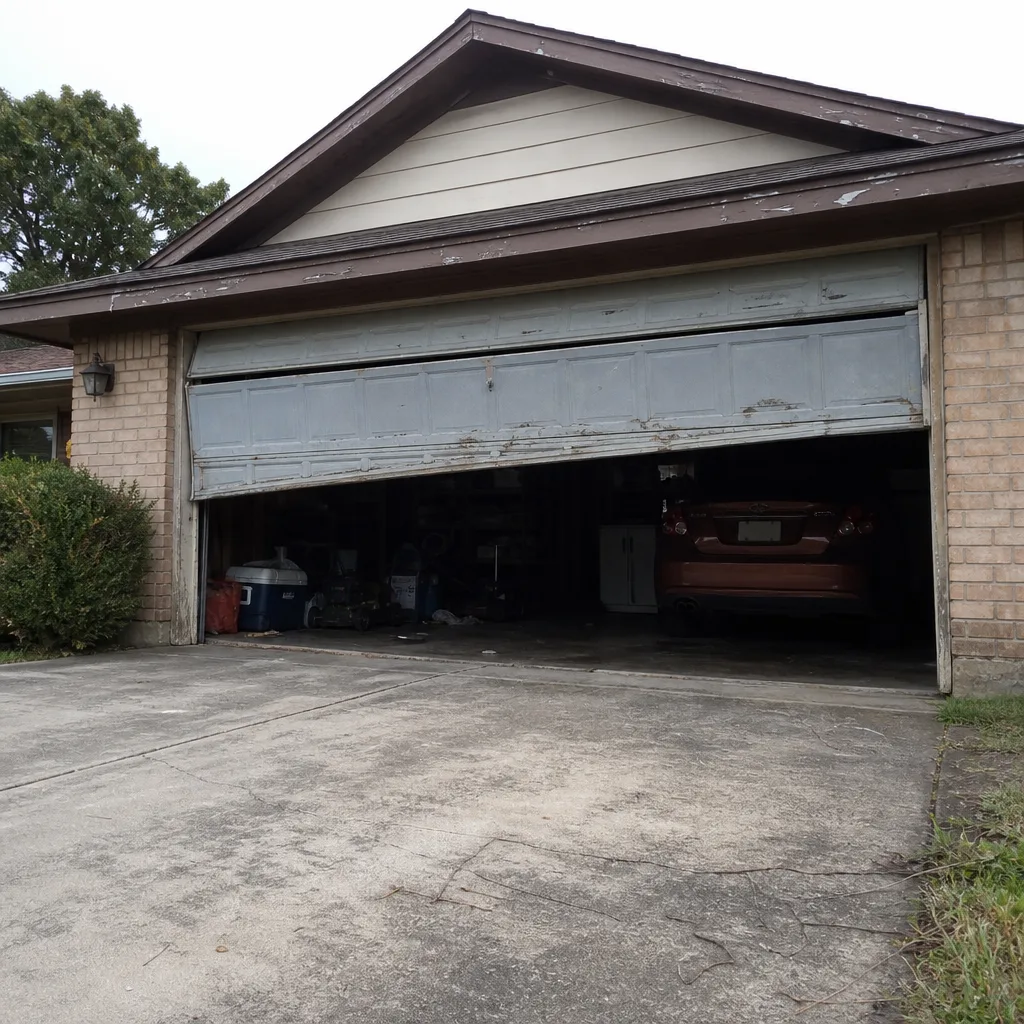
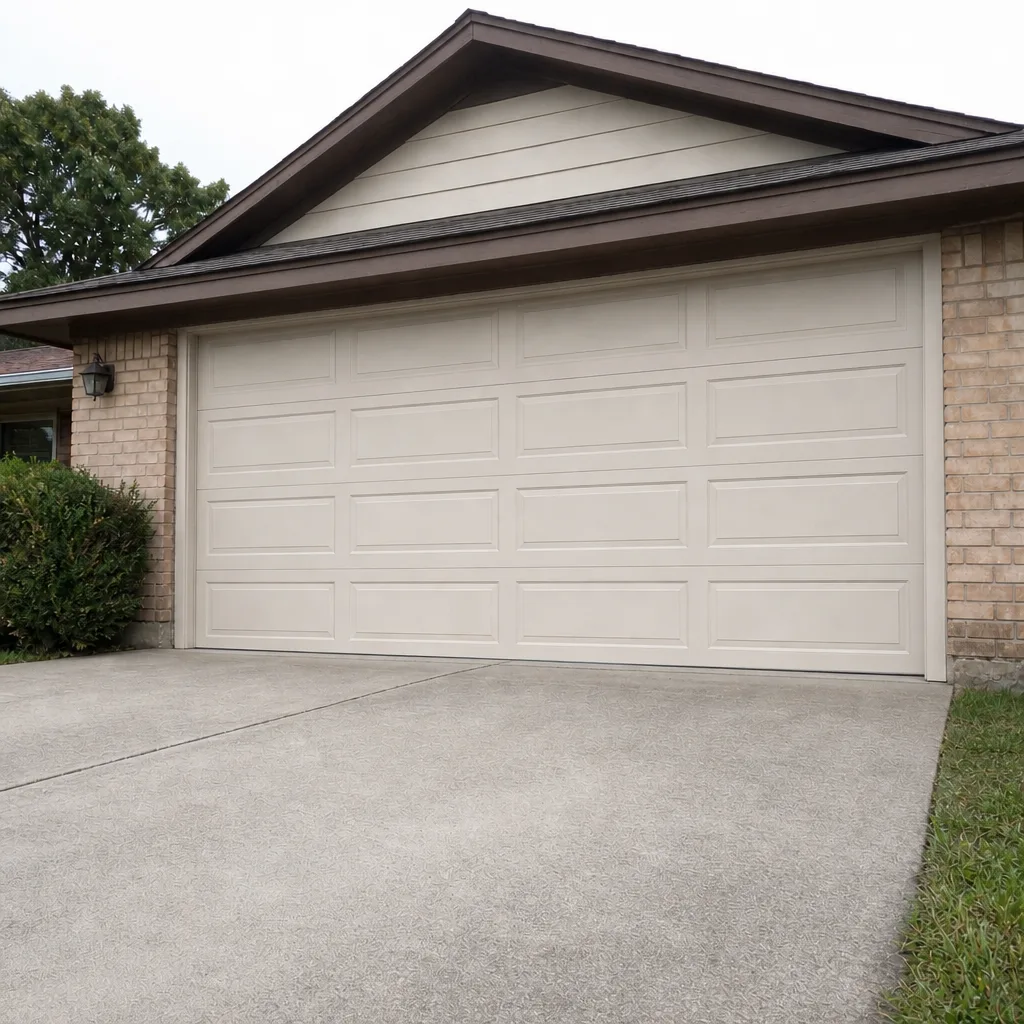
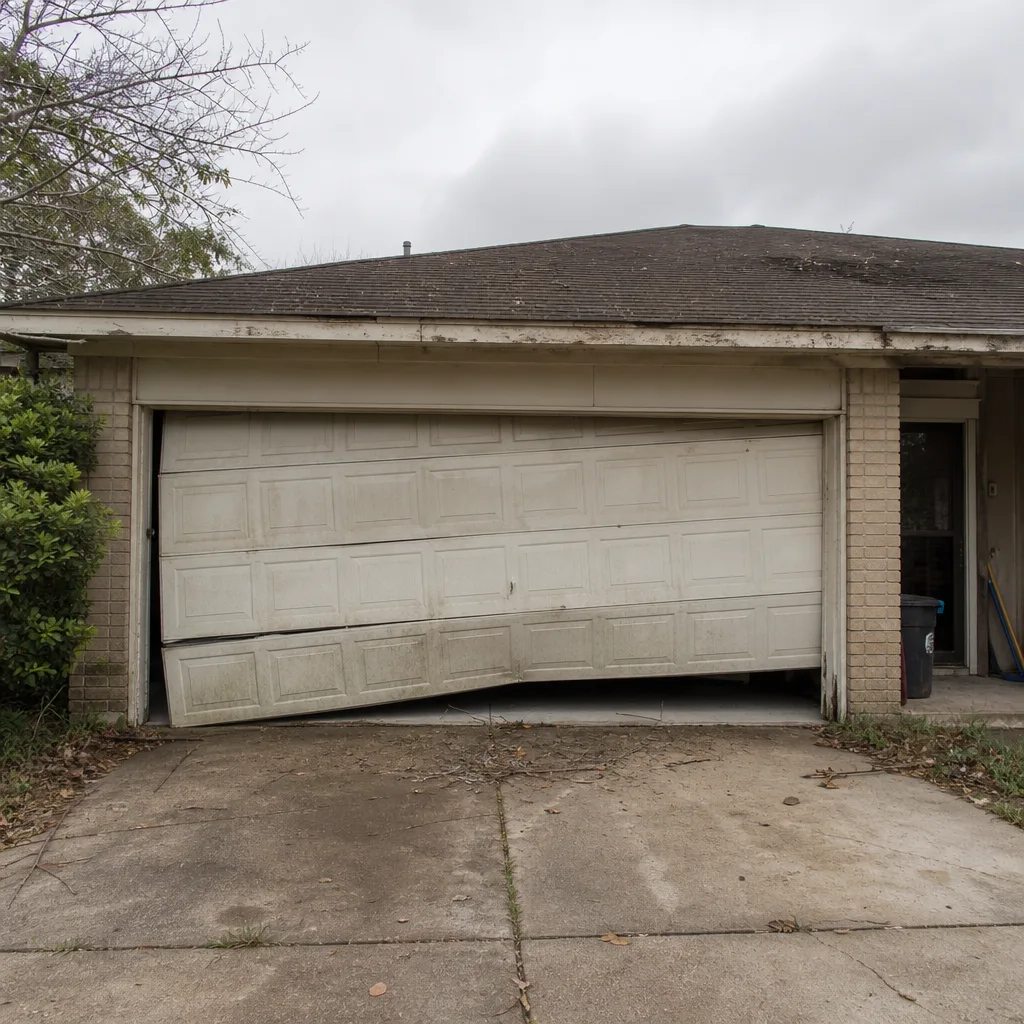
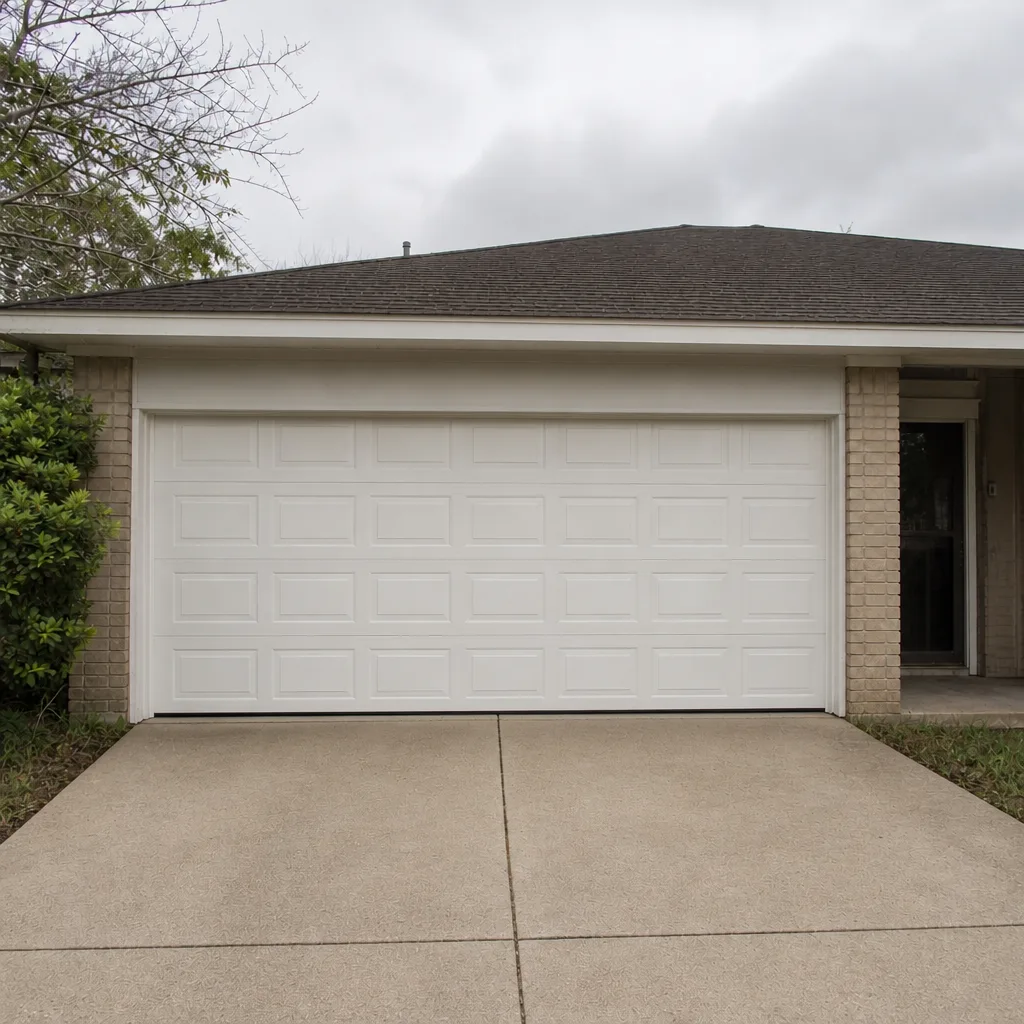
See the difference
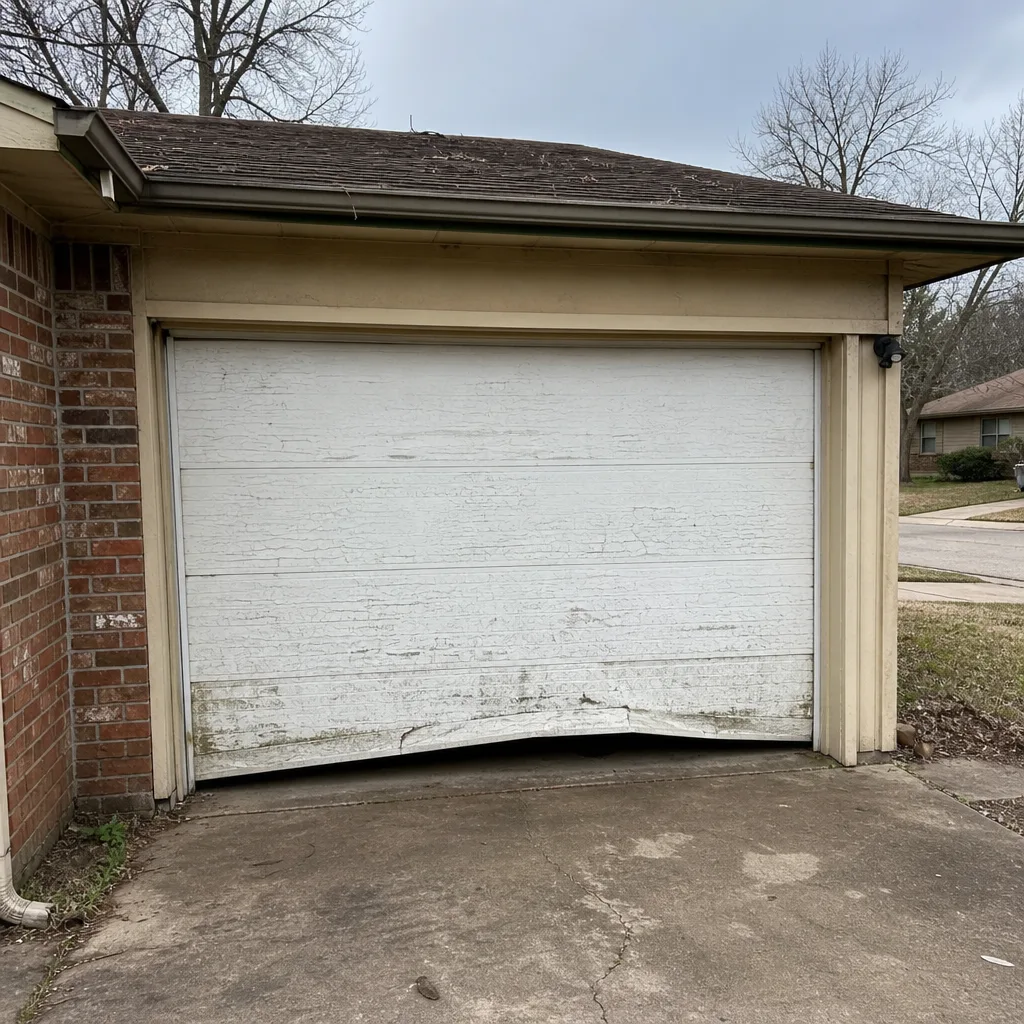 Before
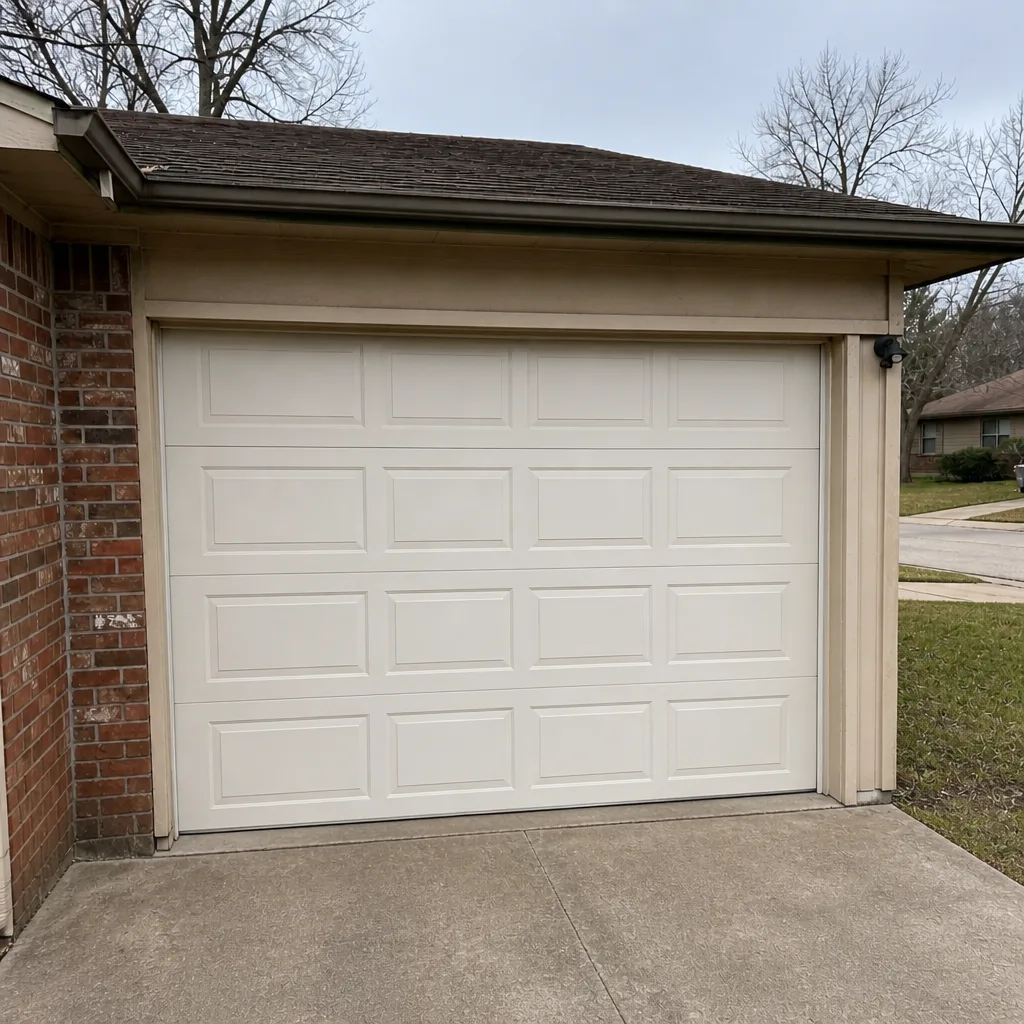 After
 Before
 After
 Before
 After